Service & Support Administration (SSA)
Navigating the world of services and supports for someone with a developmental disability can feel overwhelming. That’s what your Service and Support Administrator (SSA) is here for.

What is a Service and Support Administrator (SSA)?
Your SSA is a dedicated professional who works with you to understand your needs and goals, develop a personalized service plan, and connect you to the services, providers, and community resources that are the right fit for your situation.
An SSA is certified by the Ohio Department of Developmental Disabilities and has completed at least an undergraduate degree with training and experience working with individuals with developmental disabilities.
What are some of the services they provide?
Assessment
Once someone is found eligible and active with SSA services, their needs are reviewed every year. Based on that review, SSA will share service options with the individual and their family. These options help guide skill building and new opportunities throughout the year.

Monitoring
The SSA makes sure services are working well for each person. They hold team meetings, review reports, and stay in regular contact with individuals, guardians, and families. SSA staff also visit individuals and providers to check that services are being delivered as planned.
Individual Service Plan (ISP)
The SSA works with each person and their family to build a plan that fits their needs. This plan identifies resources and outlines how providers and specialists will help the individual reach their personal goals.
Intake Coordination
We help determine if people with disabilities that began before age 22 qualify for services. The disability must be lifelong, not solely a mental health diagnosis, and must result in a significant need for support. We serve individuals from birth through senior years.
Crisis Assistance
SSA steps in when an individual’s health or safety is at risk, or when abuse, neglect, or exploitation is suspected. We are available 24 hours a day for emergencies and are the point of contact for reporting serious incidents. We also coordinate prevention planning to reduce future risks.
Provider Selection
SSA helps individuals and families choose the right service providers. We share information about certified providers and arrange interviews as requested, so each person can select the provider that best fits their needs.
Residential Options
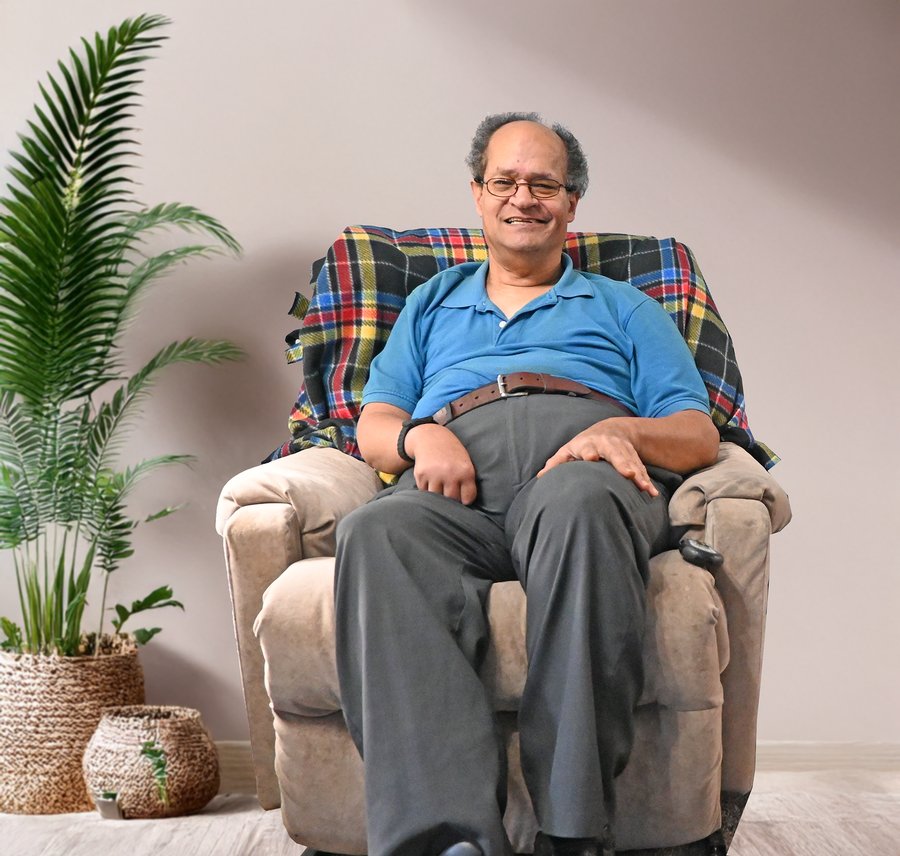
SSA can help you find support services for your home. If you need waiver services, we can add you to the waiting list and complete the required assessment. We can also connect you with other local resources and supports.
Waivers help pay for services that allow people to live in their homes and communities. The SSA Director manages how waivers are assigned in Sandusky County. Waivers are given out based on state priority guidelines and the availability of local funding.
Residential Options Counseling
If you or a family member are looking into housing or residential services, we are here to help. The Residential Options Counseling Pamphlet explains your options, including community living and intermediate care facilities. We share this information when you ask about residential services and use it to help with annual and transition planning.
For more information please see the following Ohio Codes : ORC 5124.69, OAC 5123:3-03, ORC 5124.68, and ORC 5126.047.
Funding Options
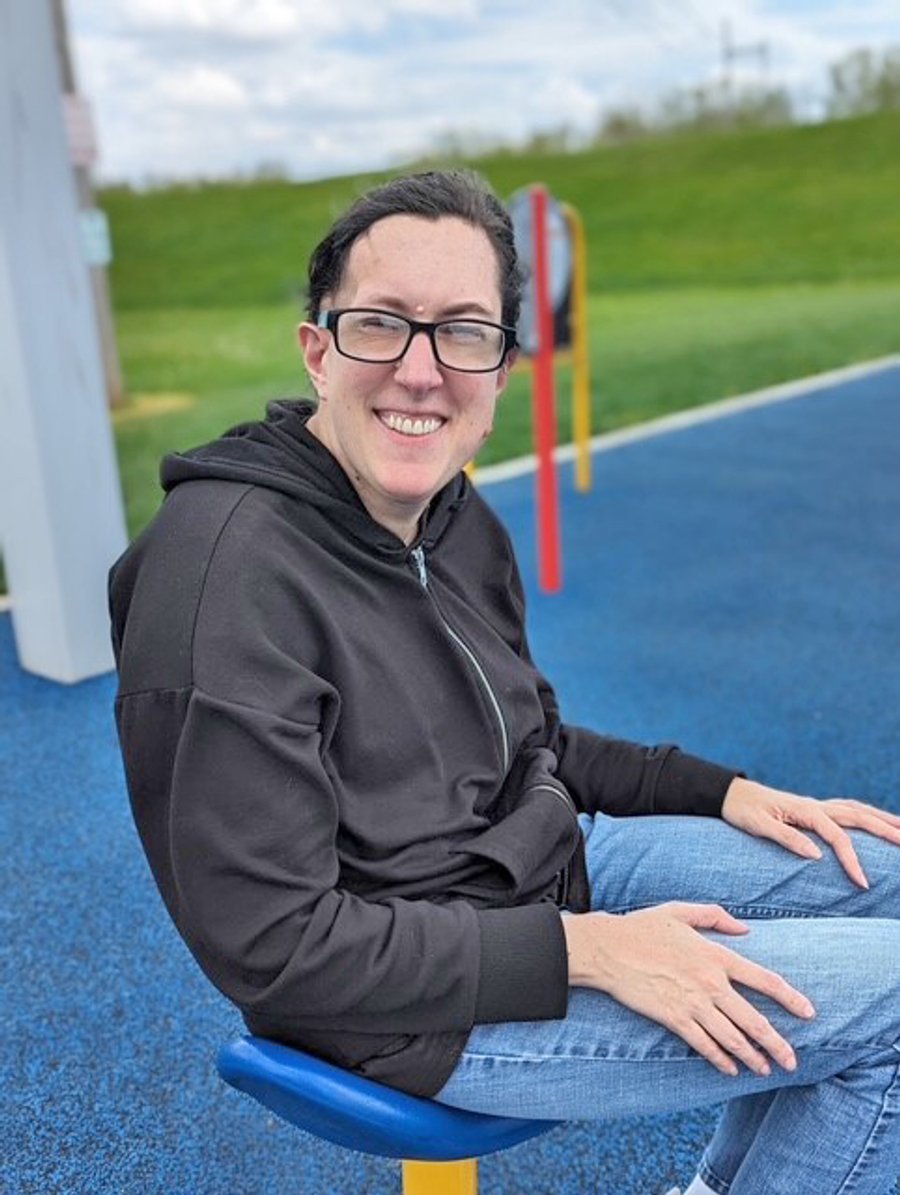
SSA will help find resources that protect your health, safety, and well-being while honoring your personal rights. We can also help families connect with community resources like Medicaid and Supplemental Social Security Income (SSI).
Waiver Administration
SSA manages the Level One, SELF, and Individual Options Waivers for individuals who qualify for these Medicaid-funded programs. We administer the Ohio Developmental Profile (ODDP) to everyone receiving waiver services. The ODDP helps determine the funding available for your services, and SSA develops a plan to meet your health and safety needs within that range.
Additional Programs
Other programs may also help families with the cost of care, including the Family Support Services Program and Supported Living Funds. If you are eligible, SSA can help you access funds to meet special needs.
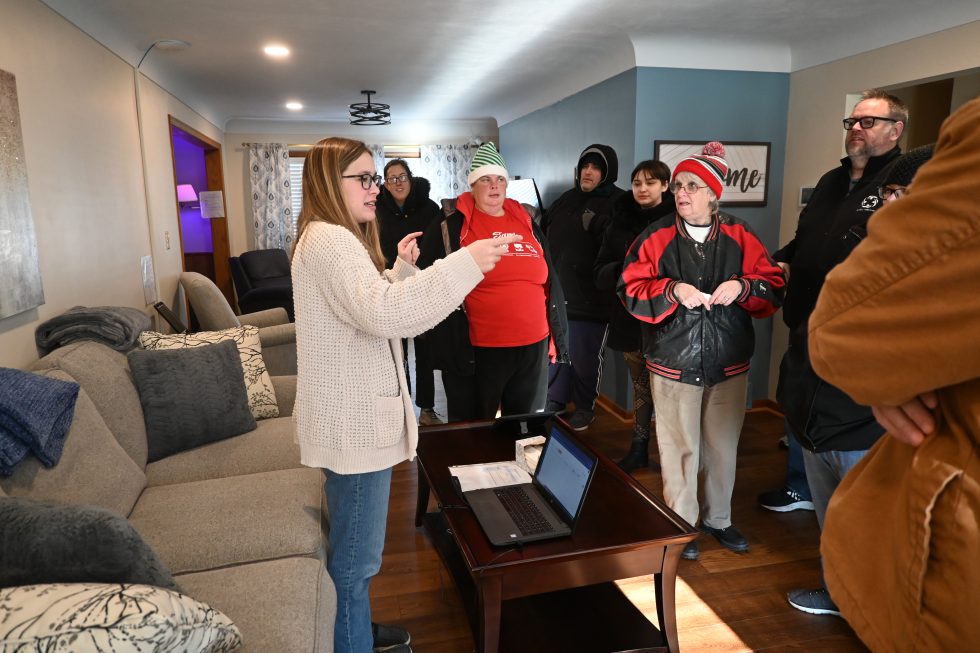
Smart Home Technology Supporting Independence and Safety at Home.
Smart Home Technology
Smart home technology can help people with disabilities live more independently and feel safer at home. Here are some ways it can help:
Voice-Activated Assistants Devices like Amazon Echo or Google Home let you control things in your home using your voice. This is especially helpful if moving around or using your hands is difficult.
Automated Lighting and Appliances Smart lights, thermostats, and appliances can be controlled from your phone or set on a schedule, so you do not have to do everything manually.
Security Systems Smart locks, cameras, and doorbells can be monitored from a smartphone. This makes it easier to stay safe at home without having to answer the door in person.
Health Monitoring Wearable devices and smart health tools can track your health, remind you to take medication, and alert a caregiver if there is an emergency.
Built-In Accessibility Features Many smart devices include features like voice control, screen readers, and customizable settings that make them easier to use for people with disabilities.
Home Automation When smart devices work together, they can handle many daily tasks automatically, making life at home easier to manage.
Sandusky County Board of DD SSA and Tech Ambassador Saydie Halbeisen has put together an electronic bulletin board with her favorite home tech gadgets.
Report Abuse or Neglect
If you believe a person with a developmental disability is being abused or neglected, please speak up. You can contact your local law enforcement or reach our crisis line any time.
Crisis Line: (419) 307-0562

Ready to Get Started?
Whether you’re looking for services for the first time or exploring new options for someone you support, SCBDD is here to walk you through it. Contact us to speak with a member of our team.